Understanding the psychological effects of gambling on decision-making processes
The Nature of Gambling and Its Psychological Appeal
Gambling has been a part of human culture for centuries, attracting individuals with the promise of excitement and potential reward. The psychological appeal of gambling lies in its ability to engage the brain’s reward system, releasing dopamine—a neurotransmitter associated with pleasure. This biochemical response reinforces the behavior, making individuals more likely to repeat the activity despite potential negative consequences. The thrill of risking something of value for the chance to win even more can create a compelling psychological cocktail that few can resist. If you’re interested in this experience, you might want to SmokAce Casino register for a chance to explore the thrill yourself.
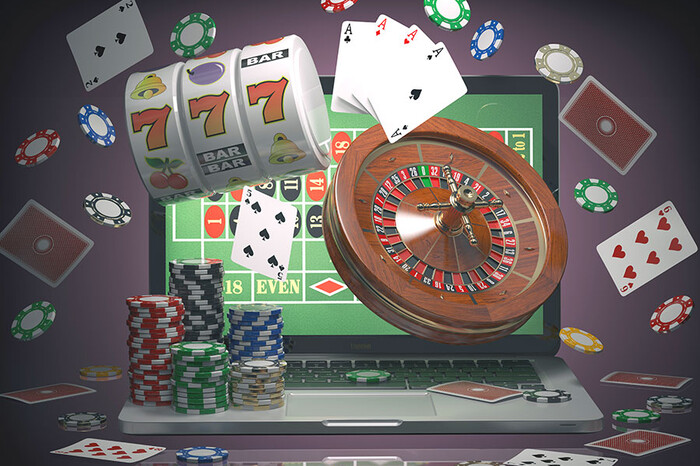
Moreover, the unpredictability inherent in gambling adds to its allure. The excitement derived from not knowing whether one will win can lead to what psychologists refer to as a “near-miss” effect, where players feel they were close to winning, which can spur further play. This psychological phenomenon can distort decision-making processes, leading individuals to underestimate the risks involved and overestimate their chances of winning. Such cognitive biases play a significant role in how individuals engage with gambling activities.
The combination of these psychological factors can lead to compulsive gambling behaviors. As players become engrossed in the thrill of winning, they may start to neglect other responsibilities and social relationships. This risk, exacerbated by the immediate gratification provided by gambling, can create a cycle that is difficult to break. Understanding these psychological dynamics is crucial for promoting responsible gambling practices and mitigating the negative impacts of gambling on decision-making.
Impact of Cognitive Biases on Decision-Making
Cognitive biases are systematic patterns of deviation from norm or rationality in judgment. In gambling, these biases can significantly affect decision-making processes. One notable bias is the “gambler’s fallacy,” where individuals believe that past events can influence future outcomes in random games of chance. For instance, if a player observes that a certain number has not appeared in a roulette game, they may falsely believe that it is “due” to appear, leading them to make decisions based on flawed reasoning. This can result in increased bets on outcomes they perceive as likely, regardless of actual probabilities.
Another cognitive bias prevalent among gamblers is the “illusion of control.” This refers to the belief that players can influence the outcome of games of chance through skill or strategies, despite knowing they are fundamentally random. For example, a poker player might believe that their experience can sway the outcome in their favor, leading them to take risks that they would otherwise avoid. This erroneous belief can exacerbate poor decision-making and increase the likelihood of significant financial losses.
These cognitive biases contribute to a distorted view of gambling and its risks. Players may engage in self-justification, minimizing the negative aspects of their decisions and focusing solely on wins. Such a mindset can lead to further gambling, perpetuating a cycle of poor decision-making that may ultimately result in severe financial and emotional repercussions. Recognizing these biases is essential for fostering a healthier approach to gambling and making informed decisions.
The Role of Emotional State in Gambling Decisions
Emotions play a critical role in influencing decision-making processes, particularly in gambling contexts. Positive emotions, such as excitement and joy, can amplify a gambler’s willingness to take risks, leading them to make impulsive decisions. For instance, after a string of wins, a player may feel overly confident and decide to increase their stakes without considering the potential for loss. This emotional high can cloud judgment and lead to regrettable choices.
Conversely, negative emotions such as stress, anxiety, or depression can also impact gambling behavior. Individuals often turn to gambling as a coping mechanism, believing it will provide a temporary escape from their problems. However, this can create a vicious cycle where losses exacerbate negative emotions, leading to more gambling as a form of self-soothing. This emotional rollercoaster significantly affects decision-making, often resulting in choices driven more by emotional state than rational analysis.
Understanding the interplay between emotions and gambling decisions is crucial for promoting responsible gambling. Education on managing emotions and recognizing when they may influence gambling behavior can help players make more informed decisions. By fostering awareness of how emotional states can skew judgment, individuals can learn to approach gambling with a clearer mindset, reducing the likelihood of impulsive decisions based on transient feelings.
Strategies for Responsible Gambling
Promoting responsible gambling practices is essential for mitigating the psychological effects of gambling on decision-making. One effective strategy involves setting strict limits on time and money spent gambling. By establishing boundaries before engaging in gambling activities, players can create a framework that encourages responsible behavior. This proactive approach can help prevent the escalation of gambling and minimize potential negative consequences.
Another critical aspect of responsible gambling is increasing awareness of cognitive biases. Educating players about common biases, such as the gambler’s fallacy and the illusion of control, can empower them to make more informed decisions. Understanding how these biases can distort perception and decision-making allows individuals to approach gambling with a more rational mindset, reducing impulsive choices driven by flawed reasoning.
Finally, fostering a supportive environment can aid in promoting responsible gambling. Friends and family can play a vital role by encouraging open discussions about gambling behaviors and offering support when needed. Creating spaces where individuals feel comfortable discussing their experiences can help identify potential problems early on and promote healthier gambling practices. Responsible gambling initiatives should focus on fostering community awareness and providing resources for individuals who may struggle with their gambling behavior.

SmokAce Casino: A Responsible Gambling Environment
SmokAce Casino understands the importance of creating a responsible gambling environment. Established in 2023, this online gaming destination prioritizes player well-being by promoting responsible gambling practices. With an extensive library of over 7,500 games, including slots and live dealer options, SmokAce Casino aims to provide an engaging experience while ensuring that players remain mindful of their gambling habits.
The casino implements various tools and features designed to encourage responsible gambling, such as self-exclusion options and limits on deposits and wagers. By empowering players to take control of their gaming experience, SmokAce Casino fosters a safer environment where individuals can enjoy gaming responsibly. Additionally, ongoing promotions and a welcoming atmosphere further enhance the gaming experience while aligning with responsible gambling practices.
Ultimately, SmokAce Casino is committed to maintaining a culture of responsible gambling. By prioritizing player education and providing resources for those seeking help, the casino exemplifies a commitment to the health and well-being of its players. This approach not only enhances the overall gaming experience but also promotes a safer, more enjoyable environment for all involved.