Your Ultimate Guide to Fun and Exciting Slot Games Online
Tired of passive entertainment that requires little more than watching a screen? Slot games offer an engaging interactive experience where you spin reels to match symbols across paylines, with each outcome determined by a random number generator. The primary benefit is the potential for instant payouts triggered by landing specific symbol combinations, such as three matching icons. To use them, you simply set your bet amount and click the spin button to see if luck aligns in your favor.
How Random Outcomes Are Generated in Modern Slot Machines
Modern slot machines generate random outcomes using a Pseudo-Random Number Generator (PRNG), a computer algorithm that continuously produces sequences of numbers, even when the machine is idle. When you press spin, the software instantly captures a specific number from this sequence, which then maps to a unique combination of symbols on the reels. This process occurs in milliseconds, ensuring no pattern or prediction is possible.
The critical insight is that each spin is an independent event; the PRNG has no memory, so previous results have zero influence on the next outcome, maintaining pure mathematical randomness within the slot’s programmed probability table.
This mechanism guarantees fair, unpredictable results for every session.
Understanding the Role of Random Number Generators in Gameplay
Understanding the role of Random Number Generators (RNGs) in gameplay is central to grasping how slot machines decide each spin’s outcome. The RNG continuously cycles through millions of numbers per second, halting only when you press the spin button to determine a specific result. This process ensures each spin is independent from the last, eliminating any pattern or memory within the game. The core function of the RNG in slot gameplay is to map each generated number to a unique combination of symbols or payout levels. This mapping creates a fixed probability for each result, making every outcome purely mathematical and unpredictable, regardless of past spins or bet size.

- The RNG selects a random number from its ongoing stream the instant you initiate a spin.
- That number is then matched to a predetermined payout table, assigning a specific symbol arrangement on the reels.
- The visible outcome you see is a direct representation of that numerical match, not a physical result from reel movement.
Why Each Spin Is Independent from the Last

Each spin in a modern slot machine is totally separate because of the Random Number Generator (RNG). This tiny chip runs constantly, generating thousands of numbers every second, even when nobody is playing. The exact millisecond you hit the spin button captures a single number, which instantly maps to a specific reel outcome—nothing before or after matters. So ignoring a machine that “hasn’t paid out” is silly. Here’s how the independence works in practice:
- The RNG cycles through numbers nonstop, with no memory of past results.
- Your spin request grabs one number from that exact instant, like taking a snapshot.
- The game uses that number to determine symbols—past spins don’t influence the snapshot.
This means your last win doesn’t make the next spin “due” to lose. The core takeaway: every spin is an independent event, so patterns are just coincidences, not signals.
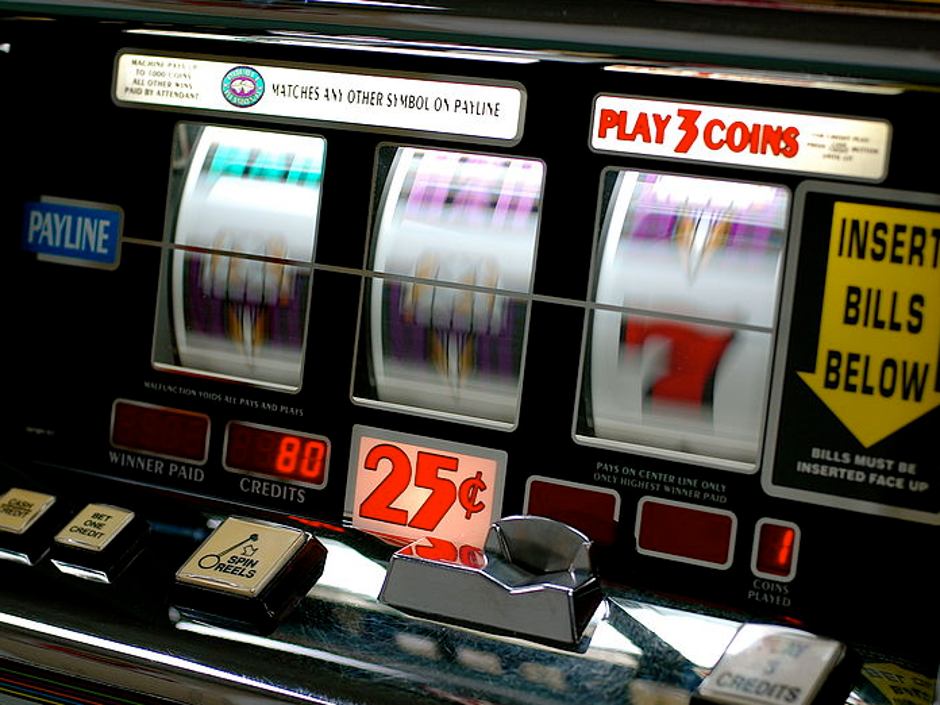
Key Features That Define a Slot Game’s Payout Potential
The primary pillar defining a slot game’s payout potential is its Return to Player (RTP) percentage, a theoretical long-term value. Volatility dictates the risk pattern of these payouts, with low volatility offering frequent small wins and high volatility providing larger but rarer hits. The hit frequency stat reveals how often any win occurs per spin, while the max win multiplier caps the largest possible payout. Paylines or ways-to-win structures determine the number of win opportunities. Bonus features like free spins and multipliers directly amplify base game potential. Q: How does volatility affect my potential payout schedule? A: It determines whether you receive frequent small payouts or infrequent large jackpots. Always check the paytable to compare these metrics before playing.
How Paylines, Ways to Win, and Megaways Mechanic Differ
Paylines are fixed paths across reels where matching symbols must land in order from left to right for a win, making each line a strict betting requirement. Ways to win simplify this by paying for any matching symbols on adjacent reels regardless of position, covering every possible combination automatically without needing to track patterns. The Megaways mechanic kicks it up by randomly changing the number of symbols per reel each spin, dynamically altering the total ways to win (often into the hundreds of thousands). So, paylines lock your win potential to set paths, ways give you flexibility across the whole grid, and Megaways adds pure unpredictability to the structure.
Interpreting RTP Percentages and Volatility Levels
Interpreting RTP percentages and volatility levels is essential for aligning a slot game with your financial goals. RTP, expressed as a percentage, indicates the theoretical long-term return to player; a 96% RTP means you can expect $96 back per $100 wagered over extended play, but it does not guarantee short-term results. Volatility, meanwhile, dictates the risk pattern: high volatility yields infrequent but larger payouts, while low volatility offers frequent, smaller wins. To strategically select a game, pair a high RTP (97% or above) with volatility that matches your bankroll style. For example, chasing massive jackpots demands high volatility, whereas casual session play suits low volatility. Matching volatility to your risk tolerance is the key to optimizing your experience.
Q: Which matters more for winning potential: RTP or volatility?
A: Neither is inherently better—RTP shows overall payout percentage, while volatility dictates payout frequency and size. Your priority depends on your budget and patience; conservative players prioritize RTP, thrill-seekers favor volatility.
Bonus Rounds and Special Symbols Explained
Bonus rounds in slot games are triggered by landing specific scatter symbols, transporting you to a separate screen where base-game rules shift. Parimatch login Here, free spins often come with multipliers or expanding wilds, dramatically increasing payout potential. Special symbols like wilds substitute for other icons to complete winning lines, while scatter symbols can pay anywhere on the reels and usually activate the bonus. Multiplier symbols inside bonus rounds can amplify wins by 2x, 3x, or more. Understanding these mechanics ensures you recognize which symbols to chase and how bonus features maximize your returns without relying on luck alone.
How Wilds, Scatters, and Multipliers Trigger Extra Wins
Bonus round activation often begins when Scatters land in any position, awarding free spins where Wilds substitute for missing symbols to complete paylines. Multipliers, which frequently appear during these spins, directly scale any win they touch. Stacked or expanding Wilds can cover entire reels, creating multiple winning ways in a single spin. Multiplier symbols may stack additively, such as a x2 and x3 combining into a x6 total payout. This synergy between Wilds filling gaps, Scatters triggering the round, and Multipliers boosting every result transforms ordinary spins into compounded extra wins far exceeding base game payouts.
Free Spins, Pick-a-Prize, and Progressive Jackpot Mechanics
Free Spins trigger when you land three or more scatters, usually awarding a set number of spins with potential multipliers that apply to all wins. Pick-a-Prize rounds let you choose from a grid of symbols to reveal instant credits or modifiers like extra spins, with higher-value picks often gated behind specific game features. Progressive Jackpot Mechanics link a small portion of each bet across a network or single game to a growing prize pool, which can be won by hitting a special combination or through a random trigger during base play. These jackpots can reset to a fixed seed after a win, so you’re never chasing an impossible amount. For most slots, free spins and pick bonuses are the primary ways to access these jackpots, though some drop them randomly.
Practical Tips for Choosing the Right Slot Game
You slide into a casino seat, the screen glowing with a hundred potential adventures. Before you dive in, choose a slot game by matching its volatility to your risk appetite. If you crave frequent small wins to stretch your bankroll, pick low-volatility games, where payouts feel like a steady heartbeat. But if you’re chasing one life-changing spin, high-volatility slots offer lengthy dry spells punctuated by explosive rewards.
Always check the paytable first: it reveals the maximum bet required to unlock a progressive jackpot and which symbols trigger free spins or multipliers.
Next, consider the Return to Player (RTP) percentage—look for games at 96% or higher, as this indicates the theoretical edge. Finally, test the demo mode to see if the theme and bonus mechanics actually entertain you during those inevitable losing streaks.
Matching Volatility and Paytable Structure to Your Budget
Selecting a slot game requires aligning volatility and paytable structure with your bankroll. Low volatility slots deliver frequent, smaller wins, suiting small budgets that need extended play. High volatility games offer larger but rare payouts, demanding a larger budget to weather dry spells. Examine the paytable: a flat structure with few multipliers fits low-risk play, while a steep paytable with high multipliers for specific combinations indicates high risk. A budget of $20 may only last ten spins on a high-volatility game, whereas the same amount could provide 50 spins on a low-volatility title.
Q: How do I match a paytable structure to my budget? A: Look for paytables where top-tier jackpots or feature wins are proportional to your bet size; if your per-spin wager is small, avoid games where the maximum win requires a max bet, as that stresses a limited budget.
How Demo Mode Helps You Test Features Before Betting Real Money
Demo mode allows you to evaluate a slot’s unique mechanics, such as bonus rounds or cascading reels, without financial risk. You can test volatility and hit frequency by playing free spins, observing how often features trigger and how payouts behave. Use this to follow a clear sequence:
- Check if bonus games activate regularly within 50 spins.
- Identify if free spins include multipliers or retriggers.
- Verify that special symbols like wilds interact as described in the paytable.
This hands-on trial confirms whether the game’s features match your playing style before you commit real funds.
Strategies for Managing Bankroll While Playing
Effective bankroll management in slot games starts with dividing your total funds into smaller session budgets, ensuring you never chase losses. A key strategy is setting a loss limit before you spin, walking away the moment it’s hit. Should you increase your bet after a losing streak? No—this often accelerates depletion; instead, stick to a fixed bet size that represents 1–2% of your bankroll per spin. Use wins to lock in profit by cashing out a portion, then continue with your original base stake. This rhythm keeps you in control, turning every session into a calculated, prolonged experience rather than a gamble.
Setting Loss Limits and Win Goals for Each Session
Before spinning the reels, defining your session boundaries is non-negotiable. A loss limit for slot sessions is a hard stop on how much you will lose during that playtime. Choose a specific, affordable amount and walk away immediately upon reaching it, no exceptions. Simultaneously, set a win goal—a predetermined profit target where you lock in your winnings and exit. For maximum control, follow this sequence:
- Calculate your total session bankroll.
- Decide your maximum loss amount (e.g., 30% of that bankroll).
- Set your win goal (e.g., double your session buy-in).
- Commit to stopping at either limit, regardless of how the game feels.
This dual boundary turns you from a passive player into a disciplined manager of your funds.
Adjusting Bet Sizes Based on Game Volatility and Session Length
Adjusting bet sizes requires matching your wager to both a slot’s volatility and your intended session length. For high-volatility games, which deliver larger but infrequent wins, smaller bets extend playtime and survive the dry spells typical of a multi-hour session. Conversely, low-volatility slots pay smaller amounts frequently, allowing for slightly larger bets in a short session to maximize returns without rapid depletion. A long session on a medium-volatility machine demands a balanced bet size proportional to bankroll, typically 1-2% per spin, to endure variance without exhausting funds early. This alignment prevents busting before the game’s payout cycle completes.
Q: How should I adjust bets for a 30-minute session on a high-volatility slot?
A: Use the lowest bet denomination that meets minimum spin requirements, reducing wager size by up to 50% compared to a low-volatility game, as high variance demands a longer buffer to trigger wins within a short timeframe.
Common Misconceptions About Slot Game Outcomes
Many players believe a slot machine is “due” for a win after a losing streak, but this is a gambler’s fallacy; each spin is an independent event governed by a Random Number Generator. Another common error is thinking that past results—like a recent jackpot—affect future outcomes. This is false, as the RNG ensures no memory of previous spins. You cannot “time” a payout or predict when a machine will hit, since results are purely random. Casinos design slots to have a fixed House Edge over millions of spins, not per session. Your strategy or betting pattern has zero influence on the game’s internal odds. Understanding this randomness prevents chasing losses or assuming a machine is “hot” or “cold.”
Why Near Misses and Hot Streaks Don’t Predict Future Results
Seeing two cherries line up right next to the jackpot feels like a near-miss, but it doesn’t mean a win is coming next. Slot machines use a Random Number Generator, so each spin is completely independent. A hot streak of wins doesn’t indicate the game is “due” to pay out, just as a cold spell doesn’t mean a payout is overdue. The odds reset instantly after every spin.
- Near misses trigger a psychological response, but they don’t affect the mechanical outcome.
- A hot streak is pure chance; the RNG doesn’t remember past wins.
- Cold streaks aren’t “building up” a jackpot—probability stays flat.
- Every spin starts from scratch, with no link to what happened before.
The Truth About “Due” Payouts and Machine Timing
The belief that a slot machine is “due” for a payout after a long dry spell is a fallacy rooted in misunderstanding randomness. Each spin operates on a Random Number Generator, making every result independent and unaffected by previous outcomes. There is no machine “timing” mechanism that tracks losses to trigger a win. This misconception leads players to chase losses, risking more money under a false sense of inevitability. In reality, the odds remain constant from spin to spin, and no historical data predicts a future jackpot. Understanding this protects your bankroll from misplaced trust in perceived patterns.
A machine is never “due” for a win; every spin is an independent event with no memory of past results.